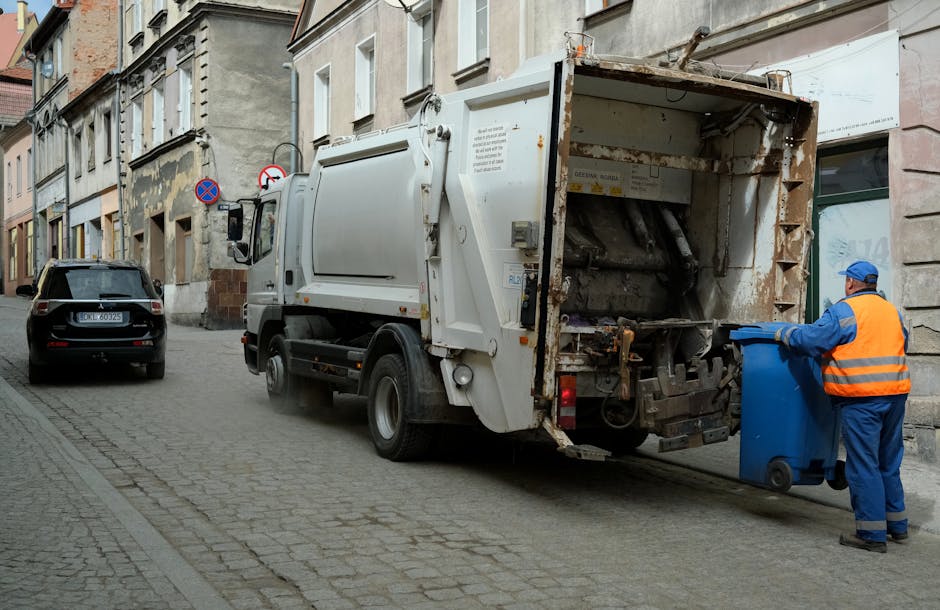
Avoid hidden rubbish removal charges on Gipsy Hill Road
If you have ever booked rubbish removal and then watched the price creep up at the last minute, you will know how frustrating it feels. One minute you are trying to clear a hallway, a garden pile, or a flat after a move; the next, you are being told about extras you never expected. This guide on how to avoid hidden rubbish removal charges on Gipsy Hill Road is here to help you spot the warning signs early, ask the right questions, and choose a service with far fewer surprises.
To be fair, most people do not spend their day comparing waste-load terms or checking access fees. You just want the job done neatly, quickly, and at a fair price. So let's break it down in plain English and make the whole thing much less annoying.
Table of Contents
- Why it matters
- How it works
- Key benefits and practical advantages
- Who this is for
- Step-by-step guidance
- Expert tips for better results
- Common mistakes to avoid
- Tools, resources and recommendations
- Law, compliance, standards, or best practice
- Options, methods, or comparison table
- Case study or real-world example
- Practical checklist
- Conclusion
- Frequently asked questions
Why Avoid hidden rubbish removal charges on Gipsy Hill Road Matters
Hidden charges usually show up when a quote is too vague. The headline number looks fine, but the final invoice includes extra labour, congestion, waiting time, minimum-load rules, access issues, mattress fees, appliance handling, or disposal supplements. On a busy road like Gipsy Hill Road, where access, parking, and property layout can vary from one job to the next, those extras can appear quickly if they have not been discussed properly.
This matters for more than just your wallet. A clear rubbish removal price helps you plan the rest of your day. If you are clearing a flat, a garage, or an office space, you may already be juggling movers, decorators, tenants, or building work. A surprise cost can throw the whole schedule off. And frankly, nobody wants to argue over a bill while standing next to a pile of old furniture and a slightly rattled front door.
There is also a trust issue. When a company is open about pricing, it usually shows the same honesty in collection, recycling, punctuality, and aftercare. That is why many people start by looking at a provider's pricing and quotes page before they book anything. It gives you a better feel for whether the business explains its charges clearly or hides them in the small print.
How Avoid hidden rubbish removal charges on Gipsy Hill Road Works
Good rubbish removal pricing should follow a simple pattern: assess the waste, check the access, explain what is included, and confirm any possible extras before the job begins. That is the ideal. In practice, problems happen when one of those steps is skipped or rushed.
Here is the typical flow you should expect:
- You describe the waste accurately. That means item types, rough quantity, whether anything is bulky, and whether there are awkward items such as appliances or heavy furniture.
- The provider checks the access. A ground-floor pick-up with driveway access is very different from carrying bags down several flights of stairs in a narrow staircase.
- You receive a clear quote. The quote should say what is covered, what could change the price, and whether the price is fixed or estimate-based.
- The team arrives and confirms the load. If the actual waste matches what was described, the price should stay stable.
- Any changes are explained before work continues. If more rubbish is added or there is a genuine access problem, you should be told plainly, not after the van has already been loaded.
That is the cleanest version. It is also the one you should aim for if you want to avoid hidden rubbish removal charges on Gipsy Hill Road. If you are dealing with a mixed load, it can help to explore the right service category first, such as waste removal, house clearance, or flat clearance, depending on what you are actually clearing.
Key Benefits and Practical Advantages
The obvious benefit is saving money. But the real value goes deeper than that. A transparent rubbish removal quote gives you certainty, and certainty is underrated. It reduces stress, helps you compare providers properly, and makes it much easier to decide whether you are getting genuine value.
Some of the most useful advantages are:
- Fewer surprises at collection time because the service scope has already been discussed.
- Better comparison between providers since you are not comparing a misleading headline price with a fully loaded one.
- More confidence in timing because the team knows what they are collecting and how much work is involved.
- Less disruption when access, parking, and item types have been considered in advance.
- Better disposal outcomes when the company plans for recycling, reuse, or specialist handling where needed.
There is another quiet benefit: a proper quote usually tells you something about the business itself. Companies that explain their process clearly tend to be stronger on reliability, safety, and communication. You notice it in the small things. The call is calmer, the questions are specific, and nobody acts as though you should already know every load-size rule in the universe.
If you need to clear a particular type of item, the most relevant service page can also help you understand what should be included. For example, if your job is mainly old sofas, beds, or mixed living room items, then mattress and sofa disposal may give you a better sense of what is normally handled. If you are clearing bulky furniture rather than general waste, furniture clearance and furniture disposal are worth a look too.
Who This Is For and When It Makes Sense
This matters for almost anyone booking a collection, but it is especially useful if you are managing a mixed or slightly awkward load. The bigger the uncertainty, the easier it is for pricing to go wrong.
You will probably benefit most if you are:
- moving out of a flat and need a fast clear-out
- clearing an inherited property and do not know what is inside yet
- disposing of old office furniture or stored business waste
- doing DIY or light renovation work and generating builders' waste
- clearing a garage, loft, or shed that has become a bit of everything
- handling bulky items that may need two-person lifting
- trying to compare rubbish removal against skip hire
On Gipsy Hill Road, the access issue is often the deciding factor. A job that seems small on paper can become more involved if there are stairs, a tight parking bay, narrow hallways, or a shared entrance. That is why clear descriptions matter so much. If you are unsure how big the job really is, using a specialist page like loft clearance, garage clearance, garden clearance, or home clearance can help you match the service to the actual task.
Truth be told, this is the stage where many people save the most money: not by choosing the cheapest headline price, but by choosing the right type of job from the start.
Step-by-Step Guidance
If you want to avoid hidden rubbish removal charges on Gipsy Hill Road, follow this sequence. It is simple, but it works.
1. Make a full list of what needs removing
Start with the obvious items, then check again. Bags, boxes, broken furniture, loose timber, appliances, mattress items, and small bits of mixed rubbish can all affect the final load. If you forget that old wardrobe in the corner, the quote may need to change later.
2. Take a quick photo set
Photos are very helpful. Send shots of the main pile, the access route, stairs, gates, parking space, and any bulky items. In our experience, one clear photo can prevent ten minutes of guesswork. And ten minutes of guesswork is where awkward pricing usually begins.
3. Ask what is included in the quoted price
Do not stop at "How much is it?" Ask:
- Is labour included?
- Is disposal included?
- Are there limits on weight or volume?
- Are mattresses, fridges, or hazardous materials charged differently?
- What happens if access is more difficult than expected?
4. Clarify whether the quote is fixed or estimated
A fixed quote is easier to budget around. An estimate can still be fair, but only if the business clearly explains what may change it. If the answer is vague, keep asking. Calmly. You are not being difficult; you are protecting your budget.
5. Confirm parking and access details
Parking enforcement, loading distance, and stair carrying can matter. If a van cannot stop nearby, time and labour can increase. Mention any restrictions in advance, especially if your property sits on a busier stretch of the road or near a tricky junction.
6. Check for item-specific charges
Some items need special handling. A fridge, for example, is not the same as a cushion-filled chair. If you have appliances, check the collection terms first and consider fridge and appliance removal. For waste that may need extra care, read the guidance on hazardous waste disposal.
7. Get the final price confirmed before loading begins
This is the moment that matters. Once the team begins loading, it should be very clear what price applies. If anything changes, you should hear it before the job continues, not as a surprise at the end.
Small but useful rule: if a price feels too vague to repeat back in one sentence, it probably needs more detail.
Expert Tips for Better Results
There are a few habits that make a huge difference. None of them are glamorous, but they save money and headaches.
- Be specific about volume. Saying "a few bags" is less useful than saying "six black bags, two boxes, and one sofa."
- Separate special items early. Keep appliances, paint, chemicals, or anything potentially restricted apart from general rubbish.
- Ask about recycling and reuse. A good provider should be able to explain how they handle recoverable materials. If sustainability matters to you, take a look at recycling and sustainability.
- Use the right service page as a guide. A business clear-out is not the same as a domestic loft tidy-up. If it is work-related, office clearance or business waste removal may be more relevant.
- Read the terms before you book. Not after. Before. Tiny difference, big outcome.
One thing people often miss is safety. A cheap quote is not cheap if the job is rushed, damaged, or poorly handled. That is why it is sensible to look at a company's insurance and safety information as well as the quote itself. It tells you a lot about how seriously the team takes the work.
Another practical tip: keep a running note on your phone with the items discussed. That way, when the team arrives, you are not trying to remember if you mentioned the broken wardrobe behind the door. Happens all the time.
Common Mistakes to Avoid
Most hidden charge problems come from a handful of repeat mistakes. The good news? They are easy to avoid once you know them.
- Accepting a quote without checking what is included. A low headline price is not the same as good value.
- Under-describing the waste. If you leave out bulky pieces or extra bags, the estimate may no longer be accurate.
- Ignoring access issues. Steps, lifts, narrow entrances, and parking restrictions all matter.
- Forgetting item-specific disposal rules. Mattresses, fridges, and certain waste types may need separate handling.
- Assuming the cheapest service is the fairest service. Not always. Sometimes it is the service with the most "surprise extras".
- Not checking the provider's complaints process. You hope never to use it, of course, but it is reassuring to know it exists. The complaints procedure page can be a useful trust signal.
A small caution from real life: if a company gets defensive when you ask simple pricing questions, that is a bit of a warning light. You are not asking for a miracle. Just clarity.
Tools, Resources and Recommendations
You do not need special software or anything flashy. A phone, a camera, and a couple of minutes of prep are usually enough. Still, a few simple tools make the process smoother.
- Photo gallery on your phone for clear images of the waste and access route
- Notes app to keep item lists and questions together
- Measuring tape for bulky furniture or awkward spaces
- Doorway or staircase width check if you suspect tight access
- Booking page such as book online when you already know what needs clearing
If your job is mainly household tidy-up, you may also want to review house clearance or home clearance so you can describe the scope more clearly. For furniture-heavy jobs, the furniture disposal page is handy for identifying what qualifies as bulky furniture rather than general mixed waste.
And if you are still comparing providers, use the company's own pages to check how they handle payments, privacy, and trust. The pages on payment and security, privacy policy, and terms and conditions can tell you whether the business is organised and transparent. Not flashy. Just sensible.
Law, Compliance, Standards, or Best Practice
Rubbish removal in the UK sits within a wider framework of waste duty, safe handling, and responsible disposal. You do not need to become a compliance expert to book a clear-out, but it helps to know the basics. Reputable operators should be able to deal with waste lawfully, transport it responsibly, and separate items that require specialist treatment.
Best practice usually includes:
- clear descriptions of what the quote covers
- transparent pricing before work begins
- safe loading and lifting practices
- appropriate handling of restricted or hazardous items
- recycling or reuse where practical
- honest communication if the scope changes
If you are dealing with builders' debris, check whether the load is really general rubbish or more specific construction waste. The difference matters, and it affects cost, handling, and disposal method. In those cases, builders waste clearance is a more appropriate reference point than general household rubbish removal.
There is also a practical safety angle. Heavy lifting, sharp edges, broken glass, damp waste, and old appliances can all create risks. A responsible provider should not treat that lightly. If they have clear information on health and safety policy and insurance and safety, that is a good sign. Not a guarantee, but a good sign.
Options, Methods, or Comparison Table
Depending on the amount and type of waste, you may be deciding between a direct rubbish removal collection and another clearance method. Here is a simple comparison to help.
| Option | Best for | Pros | Watch outs |
|---|---|---|---|
| Rubbish removal collection | Mixed waste, bulky items, fast clear-outs | Convenient, labour included, quick turnaround | Quotes must be checked carefully for extras |
| Skip hire | Ongoing DIY work or longer projects | Flexible over several days, good for steady loading | Permit, space, and fill limits may apply |
| Room or property clearance | Full or partial domestic clear-outs | Suitable for larger jobs, clearer scope | Needs accurate description of items and access |
| Specialist item removal | Appliances, furniture, mattresses, or sensitive waste | Better handling of item-specific needs | Some items need extra checking or separate pricing |
If you are still unsure whether a skip or a collection is better, the page on what can go in a skip is useful for understanding the sort of material that typically suits that route. Sometimes the answer is obvious. Sometimes it is not. Life is like that.
Case Study or Real-World Example
Here is a realistic example. A homeowner on Gipsy Hill Road needs to clear a spare room, a broken chest of drawers, a mattress, and a few bags of mixed household rubbish before decorators arrive the next morning. The first quote sounds attractive, but it is vague. It mentions collection only, with no detail on labour, access, or bulky-item handling.
Instead of booking immediately, the homeowner sends photos of the room, the stairwell, and the front access. They list the items one by one and ask whether mattress disposal, furniture lifting, and disposal fees are included. The provider adjusts the quote slightly, but now it is clear what is covered and what is not.
The result? No awkward conversation at the door. No "oh, we didn't know about the mattress" moment. The job gets done in one visit, the price stays as agreed, and the decorators can start on time the next day. Simple enough, but that little bit of preparation makes a big difference.
That is really the point of avoiding hidden rubbish removal charges on Gipsy Hill Road: not just paying less, but paying what you expected to pay.
Practical Checklist
Use this before you book. Seriously, it saves hassle.
- List every item that needs removing
- Take clear photos of the waste and access route
- Ask whether the quote is fixed or estimated
- Check what labour and disposal costs are included
- Confirm whether bulky items have extra charges
- Ask about appliances, mattresses, and specialist waste
- Check parking and stair access details
- Read the terms and conditions before confirming
- Look at the payment and security information
- Make sure the final price is confirmed before loading begins
If the answer to any of those points is unclear, pause. A good provider will not mind. In fact, a decent company should welcome the clarity.
Conclusion
Avoiding hidden rubbish removal charges on Gipsy Hill Road is mostly about preparation, plain questions, and trusting your instincts. If a quote is clear, the scope is specific, and the provider is happy to explain extras before the job starts, you are already in a much better position. The goal is not just to get rid of rubbish. It is to do it without stress, without awkward surprises, and without that sinking feeling when the invoice arrives.
Keep your description accurate, check the access, and ask for the full picture. That simple habit can save time, money, and a lot of back-and-forth. And honestly, a tidy quote feels almost as satisfying as a tidy room.
Get a free quote today and see how much you can save.
When you are ready to book, choose the path that feels clear, calm, and transparent. A smooth collection should leave you lighter, not second-guessing the bill. That is the standard worth aiming for.
Frequently Asked Questions
What are hidden rubbish removal charges?
They are extra fees that are not made obvious at the start, such as labour surcharges, access fees, item-specific charges, waiting time, or disposal extras. The safest approach is to ask what is included before you agree to anything.
How do I compare rubbish removal quotes fairly?
Compare like with like. Check whether labour, disposal, bulky items, and access are included. A lower headline price is not always cheaper if it comes with add-ons later.
Why do quotes change after the team arrives?
Usually because the actual load, access, or item type was different from what was described. Photos and detailed item lists reduce that risk a lot.
Should I send photos before booking?
Yes, if possible. Photos of the waste, stairs, parking, and entry points help the provider price the job more accurately and reduce the chance of surprises.
Are mattresses and appliances charged differently?
Often, yes. Mattresses, fridges, and other appliances may need different handling or disposal arrangements. It is best to check in advance rather than assume they are covered as standard.
What if I have more rubbish than I first described?
Tell the provider as soon as you notice. A reputable company should explain any price change clearly before continuing, not after the work is done.
Is rubbish removal or skip hire better for avoiding extra costs?
It depends on the job. For quick clear-outs or bulky lifting, rubbish removal can be simpler. For longer DIY projects, a skip may be more practical. The key is matching the method to the waste.
How can I tell if a quote is trustworthy?
It should be specific, easy to understand, and clear about what is included and what might change. If the explanation feels slippery or rushed, treat that as a warning sign.
Do I need to mention access problems upfront?
Absolutely. Steps, narrow hallways, parking restrictions, and long carrying distances can affect the price. Mentioning them early helps the quote stay accurate.
What should I ask before booking collection on Gipsy Hill Road?
Ask what is included, whether the price is fixed, whether bulky items cost more, how access affects the quote, and what happens if the load changes. Those five questions do most of the heavy lifting.
Can I check a company's trust signals before booking?
Yes. Look at pages such as pricing, terms, payment and security, insurance and safety, and complaints procedure. Clear information usually means a more organised service.
What is the best way to avoid paying too much?
Be accurate, ask direct questions, and confirm the final price before loading starts. That combination is boring in the best possible way - and boring is excellent when it stops surprise charges.